




Handmade, the New Luxury
In a world where almost anything can be generated in seconds, the rarest thing of all is something made slowly, by a real person, with their own two hands.
A world that has never been more artificial
We are living through an extraordinary moment. Images appear from a single sentence. Music writes itself. Products are designed, copied and shipped across the world before anyone has truly looked at them. Artificial intelligence has made so many things faster, cheaper and easier — and much of that is genuinely useful.
But something quiet is happening alongside all this speed. As more of what we see, read and buy becomes generated, copied or mass-produced, we are beginning to notice what is missing: the hand, the hesitation, the small imperfection that tells you a human being was here.
When everything can be made instantly, the things that cannot be rushed become precious again.
What luxury really means now
For a long time, luxury meant a logo. A recognisable name, a price tag, a status symbol. Today, a growing number of people are looking for something different. They don't want more things — they want real things.
True luxury today is:
- Knowing who made the piece you are holding
- Owning something no one else has in exactly the same form
- Time — the hours, days or weeks an artisan gave to a single object
- A story you can tell every time someone asks, "Where did you find that?"
- Buying less, but choosing better
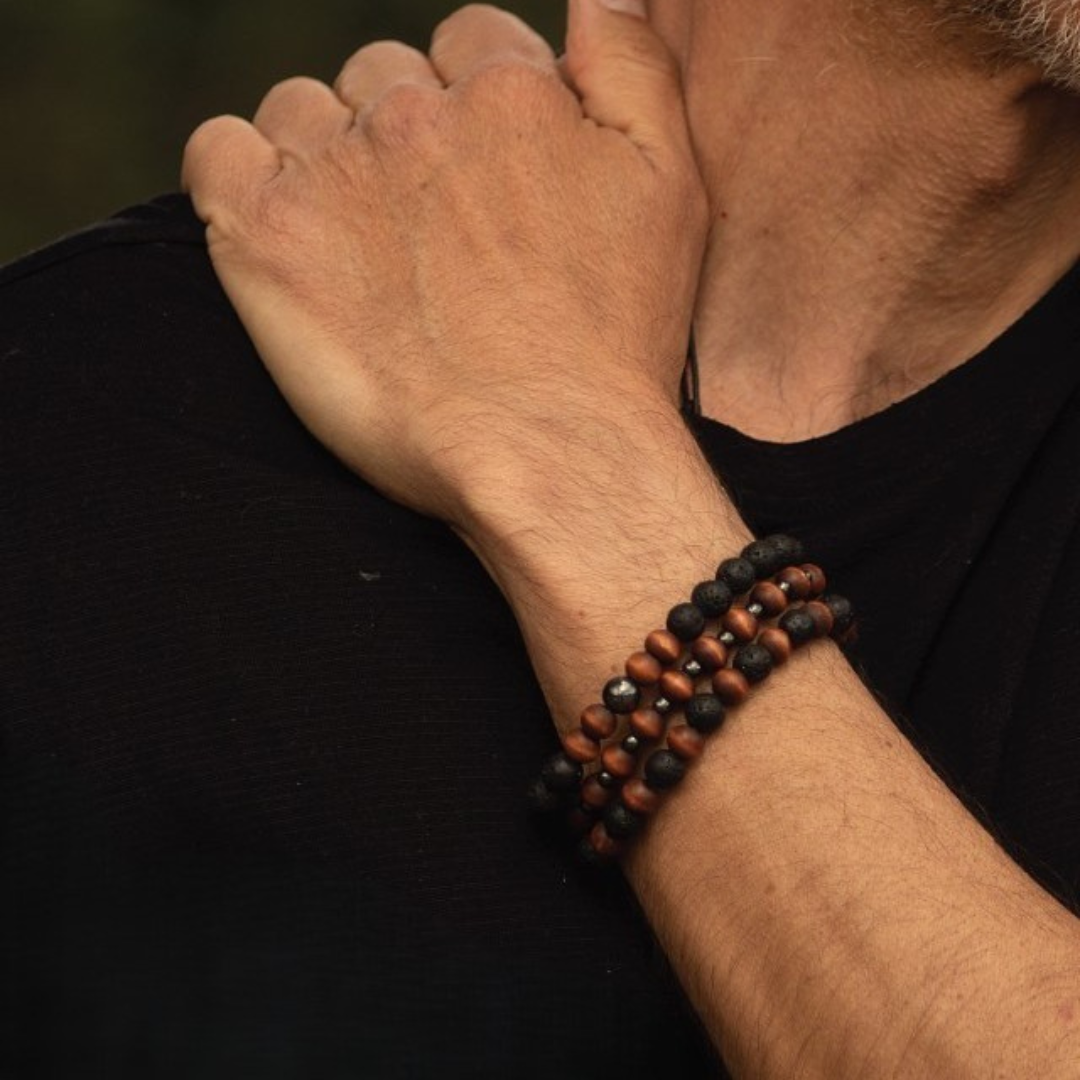
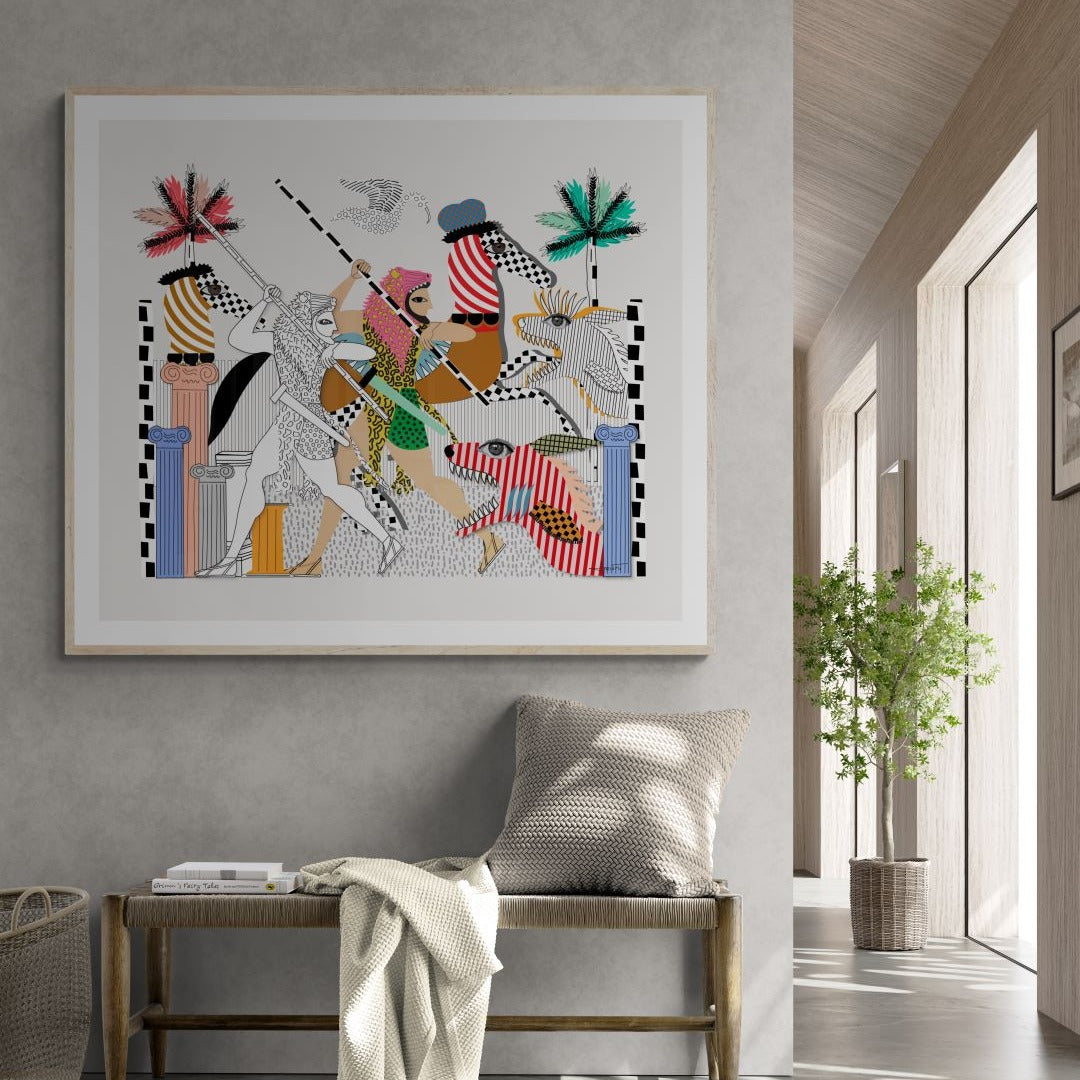
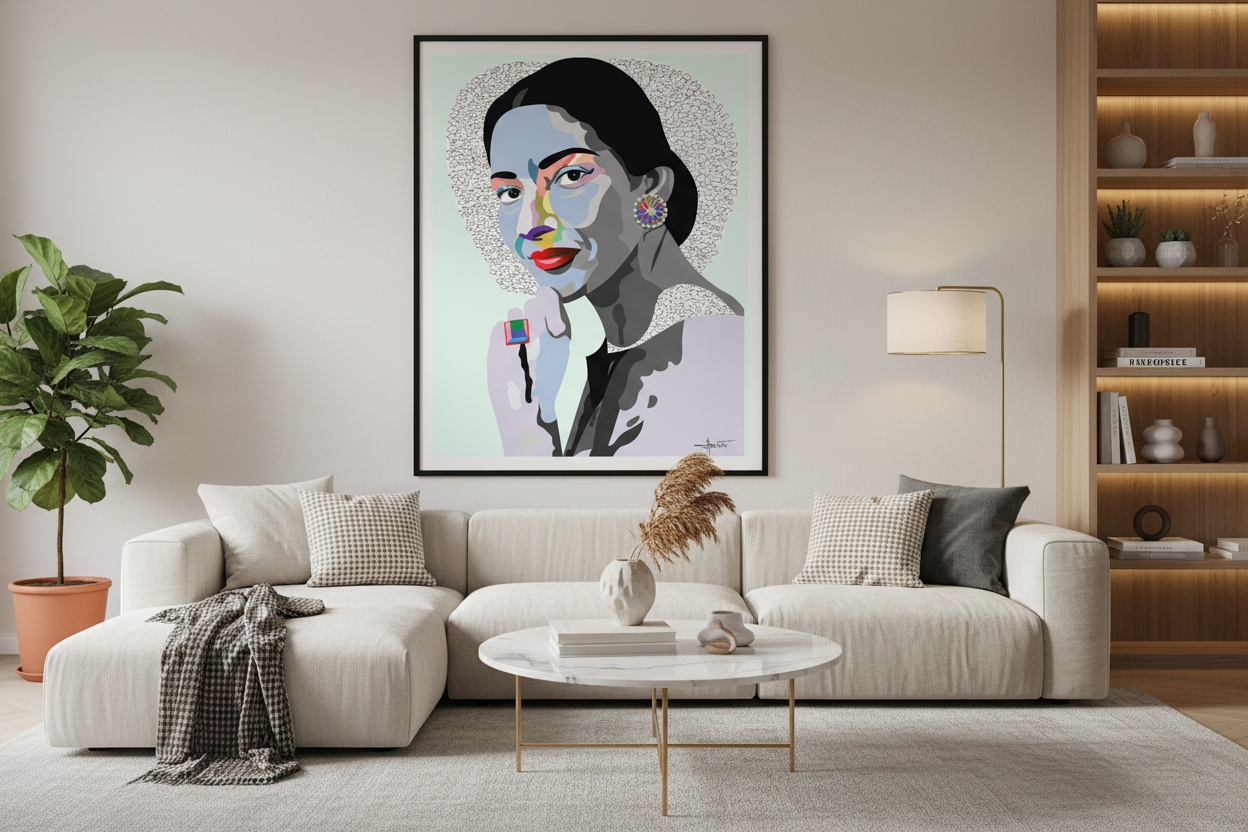
A handmade piece cannot be prompted into existence. It carries the decisions of its maker — the way a ceramicist pressed her thumb into the clay, the way a jeweller chose to leave a hammered texture on the silver, the way a painter mixed the exact blue of an Aegean afternoon. These are not flaws to be corrected. They are the signature of a human life.
The human element: why it matters
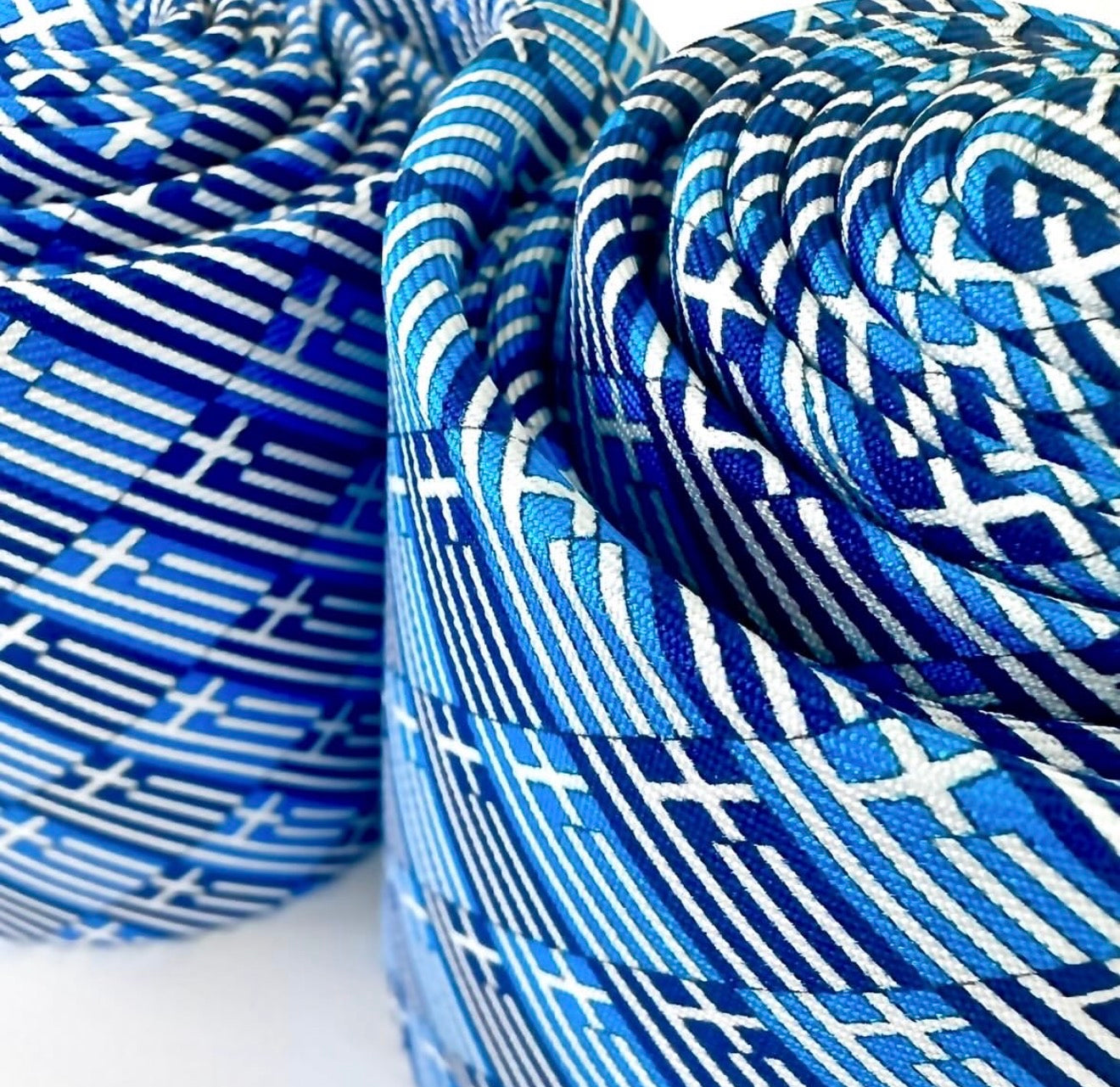
When you buy something handmade, you are not just buying an object. You are supporting a person, a family, a skill that has often been handed down for generations. In Greece, that thread runs very deep — through weaving, ceramics, silversmithing, embroidery and painting, traditions that stretch back thousands of years and still live in small workshops on islands, in villages and in the backstreets of Athens.
Every one of these crafts survives only because someone chooses to keep making — and someone else chooses to value it. In an age of machines, that choice has become a quiet act of care: for culture, for community, and for the people who keep beauty alive with their hands.
Slow, sustainable and made to last
Handmade is also, very simply, a kinder way to live with things. Artisans tend to work in small batches, with honest materials, and without the waste of endless overproduction. Their pieces are made to be kept, worn, used and loved for years — and often passed on.
A fast, generated, disposable world asks us to keep replacing. Handmade asks us to keep treasuring. That is the heart of sustainable luxury.
Real things, in an age of copies
There is another side to all this. As copying becomes effortless, original work is easier than ever to imitate. Designs are lifted, photos are reused, and "handmade-look" products are produced by the thousand. Supporting genuine makers — and buying from people who know them personally — has never mattered more.
Authenticity is no longer a nice extra. It is the whole point.
Why Thalassea exists
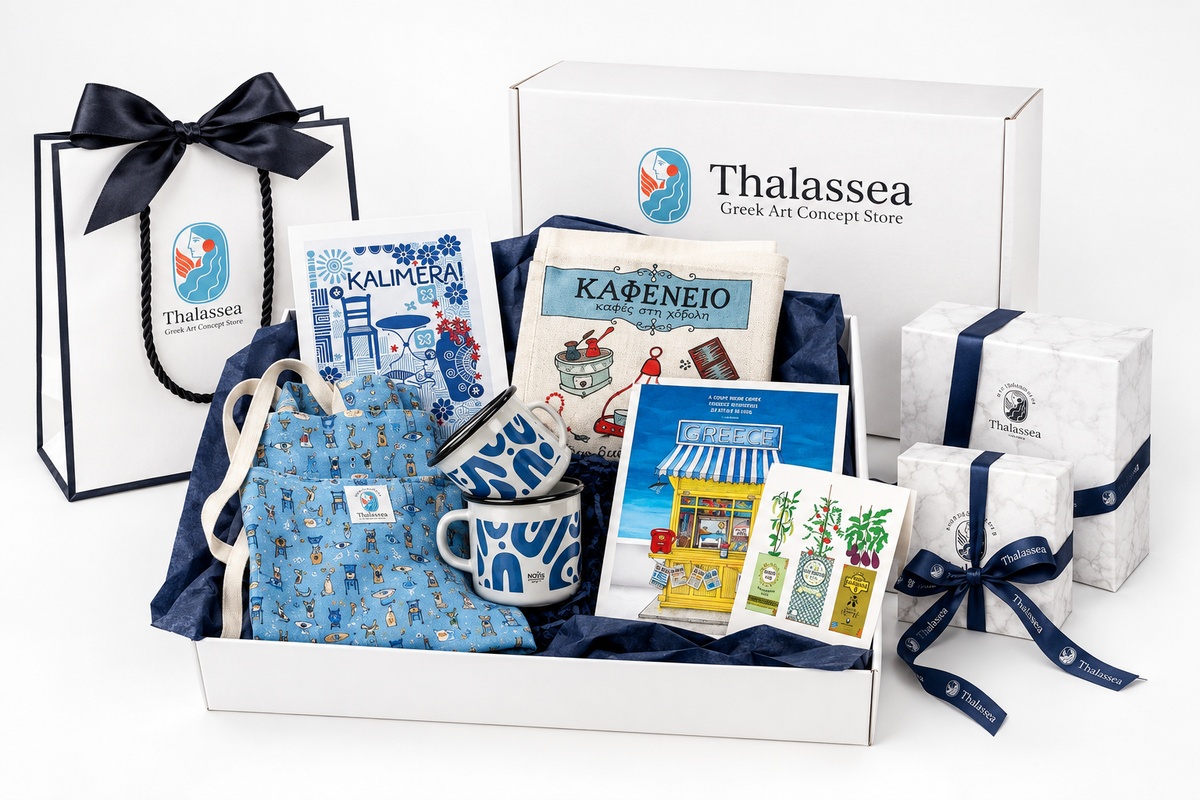
Thalassea was born from exactly this belief. Every piece we offer is made by independent Greek artisans — jewellers, painters, ceramicists and designers whose work we know, whose stories we share, and whose craft we are proud to bring to you, wherever you are in the world.
Nothing here is generated. Nothing is anonymous. Each piece has a maker, a place and a story — and when it arrives at your door, it brings a little of that with it. A piece of Greece in every product.
Because in a world that is becoming more artificial by the day, the most meaningful thing you can own — or give — is something real.
Curated with culture, crafted with care.